

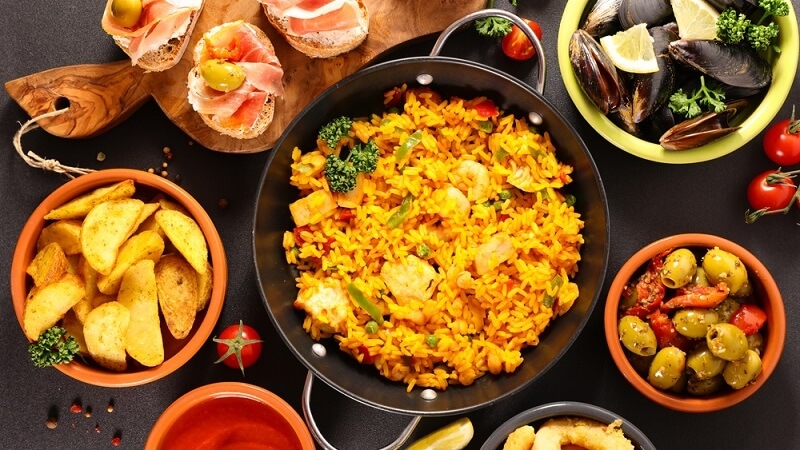
Spanish food is often talked about as if it follows one national style. In reality, Spain eats region by region. The food changes as the landscape changes, and so do the ingredients, cooking methods, and daily habits around meals. This is why regional Spanish cuisine matters. It explains why the same country can serve cold tomato soup in the south and rich fish stews in the north.
Spanish cooking did not develop in a straight line. Each region adapted to what was available locally. Over time, those practical choices became traditions. The result is a country where food feels familiar but rarely identical from one place to another.
Regional Spanish cuisine exists because Spain itself is geographically diverse. Coastal areas cook differently from inland ones. Hot regions eat differently from colder regions. These differences are not cosmetic. They affect how food is prepared, when it is eaten, and what ingredients are considered essential.
A few factors influence this most:
When these elements combine, they create distinct food identities rather than variations of the same dishes.
Looking at Spain as a whole, regional Spanish cuisine generally falls into clear patterns. Northern regions rely more on seafood, dairy, and slow cooking. Southern regions favor olive oil, vegetables, and lighter preparations. Eastern coastal regions combine Mediterranean ingredients with rice-based cooking.
These patterns become more obvious when you look at specific regions like Catalonia, Andalusia, and the Basque Country.
Explore More: Taste Famous Spanish Food Festivals with the Tradition Now!
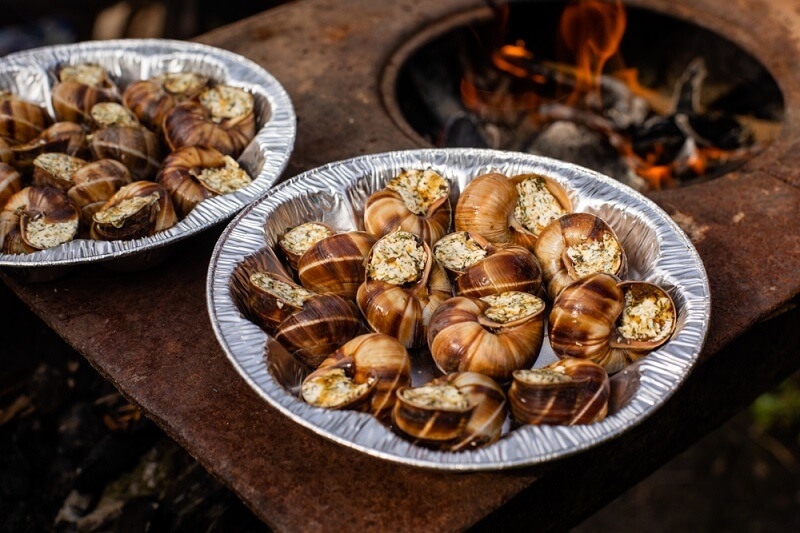
Catalan food reflects where the region sits geographically. It has access to the Mediterranean Sea, fertile farmland, and inland mountain areas. As a result, meals often balance seafood, meat, vegetables, and grains without leaning too heavily in one direction.
Catalan cooking is practical. It respects ingredients and avoids excess. Meals are built around simple foundations, then adjusted depending on season and location.
This combination allows Catalan food to stay flexible. The same cooking style works for both everyday meals and special occasions.
Catalan food also plays a role in modern Spanish gastronomy. Many contemporary techniques grew out of this region, but traditional home cooking remains simple and ingredient driven.
Southern Spain experiences long, hot summers, and Andalusian cuisine developed around that reality. Meals are lighter, fresher, and often meant to cool the body rather than weigh it down.
History also plays a role here. Centuries of Moorish influence introduced spices, citrus, and irrigation systems that still shape Andalusian cooking today.
Andalusian cuisine is closely tied to social eating. Food is rarely rushed and often shared, especially through tapas culture.
Unlike heavier northern cooking, Andalusian cuisine focuses on freshness. The goal is clean flavor, not richness.
Also check: Spanish Cheese Guide to Experience Famous to Rare Varieties
The Basque Country sits along Spain’s northern coast, and its food culture is built on control and precision. Basque dishes are not flashy. They rely on quality ingredients and careful execution.
Food plays a central role in Basque daily life. Cooking is treated seriously at home, in bars, and in restaurants.
Basque cooking emphasizes technique. Small mistakes matter. Timing and texture are taken seriously, even in casual meals.
Basque dishes gained international attention because of consistency, not complexity. The same standards apply whether the meal is simple or refined.
Regional Spanish cuisine influences how people eat, not just what they eat. In the south, meals happen later and stay lighter due to heat. In the north, lunch and dinner are more filling. Coastal regions depend on seafood, while inland areas rely on meat, legumes, and preserved foods.
These habits shape grocery shopping, restaurant menus, and even portion sizes across Spain.
Spain does not have a single food identity. Regional Spanish cuisine exists because cooking developed locally, not centrally. A dish that feels normal in Andalusia may feel out of place in the Basque Country. Catalan food sits between Mediterranean and inland traditions, while Basque dishes follow a stricter, more controlled approach.
Trying to summarize Spanish food with a few popular dishes ignores this reality.
You may also like: The Spanish Tapas Tradition That Brings People Together
Spain’s food culture makes sense when viewed region by region. Regional Spanish cuisine explains why Catalan food, Andalusian cuisine, and Basque dishes feel so different while still belonging to the same country.
These differences are not trends. They are the result of geography, climate, and long-standing habits. Understanding them makes eating in Spain clearer and more meaningful.
Regional Spanish cuisine refers to the distinct cooking styles found across Spain, shaped by local ingredients, climate, and historical influence.
Catalan food balances seafood and meat with structured cooking, while Andalusian cuisine focuses on lighter, fresher dishes suited to hot weather.
Basque dishes are respected for ingredient quality, precise technique, and a strong food culture that values consistency at every level.
This content was created by AI